A Straight Answer
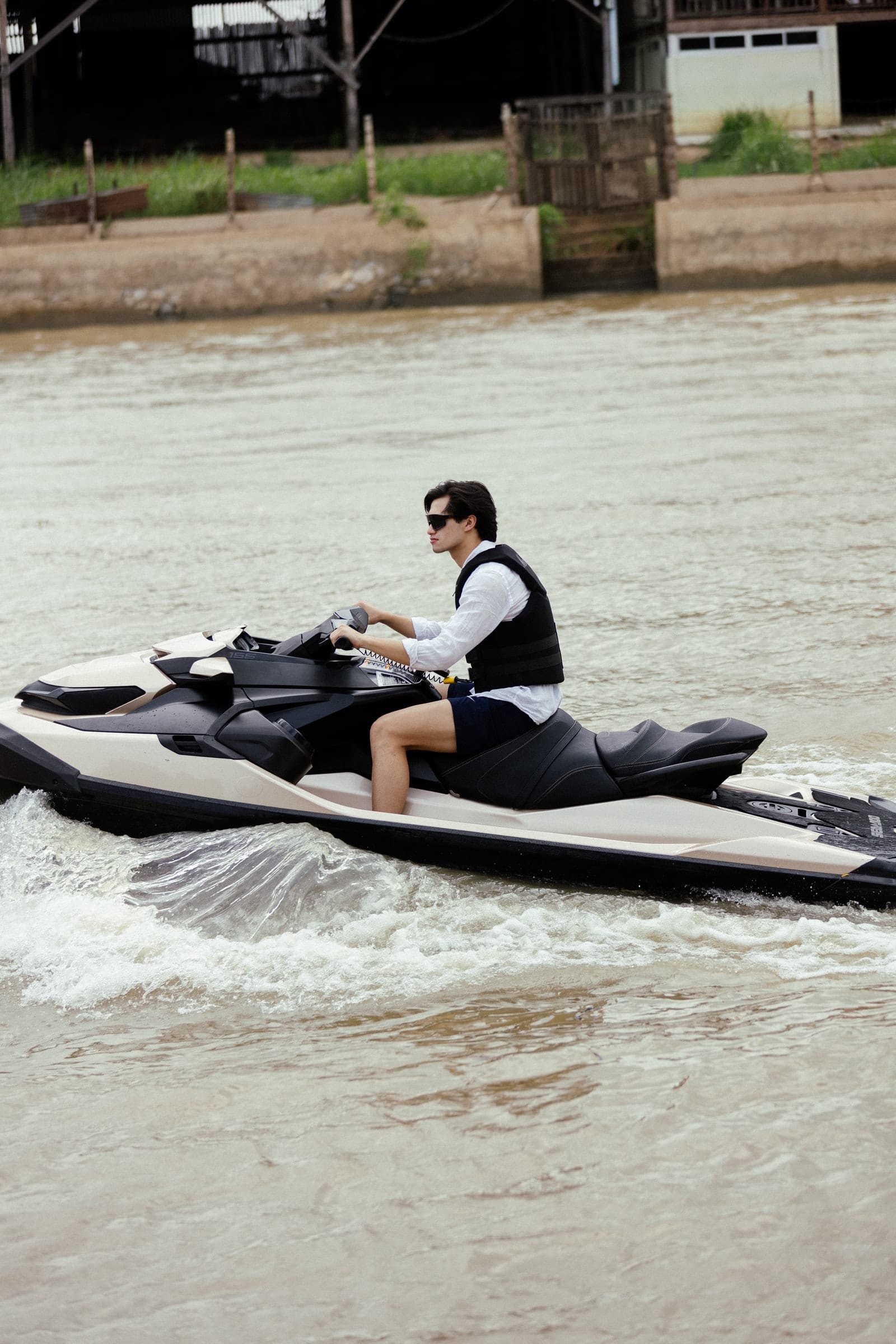
Mercury GT · Ayutthaya
Is it safe to rent a jet ski in Thailand?
Short answer: yes — if you know what to check. The jet-ski damage scam is real, well documented, and has followed Thai tourism for over 15 years. This page explains how it works and how to rent safely, anywhere in the country.
The scam is real. Let's not pretend otherwise.
Travel forums carry hundreds of first-hand warnings, and cases still make the news. Most incidents follow the same script: you return the ski, the operator points at a scratch under the waterline, and a large cash figure appears — one that was never written down anywhere before you paid. Some travellers are told they cannot leave until it is settled. It is not everyone in the industry, but it happens often enough that "never rent a jet ski in Thailand" became standard travel advice. We think the better advice is: rent from operators whose paperwork makes the scam impossible.
How the scam actually works
Two loopholes do all the work. Close them and the scheme collapses.
Pre-existing damage, billed to you
The scratch was there before you left the beach. Without dated, mutually confirmed photos of the hull, it is your word against theirs — and the ski is their property.
No published prices
If no damage price list exists before you pay, any number can be invented after the fact. The figure is chosen by how much cash you look able to produce, not by what a repair costs.
How to rent safely — anywhere, not just with us
Use this checklist with any operator in Thailand. A legitimate one will pass it without hesitation.
- 01
Ask for the damage price list before paying
In writing, per item. If the answer is vague or verbal only, walk away — this single question filters out most bad actors.
- 02
Photograph the whole hull yourself, with the staff present
Every side, close-ups of existing marks, below the waterline included. Make sure your photos are timestamped and the staff sees you take them.
- 03
Ask what the maximum liability is
A serious operator can state a written cap per incident. "It depends" is not a cap.
- 04
Ask how time and route are recorded
GPS logs settle late-return and out-of-zone disputes before they start. No tracking means their clock is the only clock.
- 05
Ask about late-return charges before you leave the pier
A fair operator publishes the rate and a grace period up front, and can show how the time is measured.
- 06
Never surrender your passport as a deposit
A cash or card deposit with a written receipt is normal. Holding your passport is not — it is the lever the scam turns on.
How we designed Mercury GT around that checklist
We operate on the Chao Phraya river in Ayutthaya, and every item above is built into the system — not a promise, a mechanism.
Prices published before you pay
The full damage price list, with market repair ranges beside our rates, is public on our transparency page.
6-angle photos, confirmed by you
Before departure, our crew photographs the ski from six fixed angles in front of you, and you confirm the condition on the same screen. No photo, no charge.
GPS logged every ~8 seconds
The whole ride is recorded and auditable — time, route, and return are read from the log, not from memory.
A written cap of ฿35,000 per incident
Total damage liability is capped in writing, stated in the waiver and on the price list.
Late returns: 10 minutes free, then a published rate
The first 10 minutes over are always free; after that ฿1,000 per started 15 minutes, read from the GPS record — never charged after an SOS, bad weather, or a staff recall.
Your passport stays in your pocket
We never hold passports. Identity is verified digitally at check-in.
See our full transparency page — live numbers and the price list →

Common questions
Is the jet ski scam in Thailand real?
Yes. It has been documented for over 15 years and still appears in the news. The common pattern is a demand for pre-existing damage, priced arbitrarily because no price list was ever published. It does not involve every operator, and it is avoidable with the right checks.
How do I avoid a jet ski damage scam?
Before paying: ask for a written damage price list, photograph the whole hull with staff present, ask for the liability cap in writing, and never hand over your passport as a deposit. Operators who refuse any of these are telling you something.
What should a fair damage policy look like?
Published per-item prices set from real repair costs, a written cap per incident, before-and-after photos confirmed by both sides, and no charge for anything visible in the pre-ride photos.
Is it safe to rent a jet ski with Mercury GT in Ayutthaya?
Our damage price list is public before you pay, the ski is photographed from 6 angles which you confirm yourself, rides are GPS-logged every ~8 seconds, liability is capped at ฿35,000 per incident in writing, and we never hold passports.